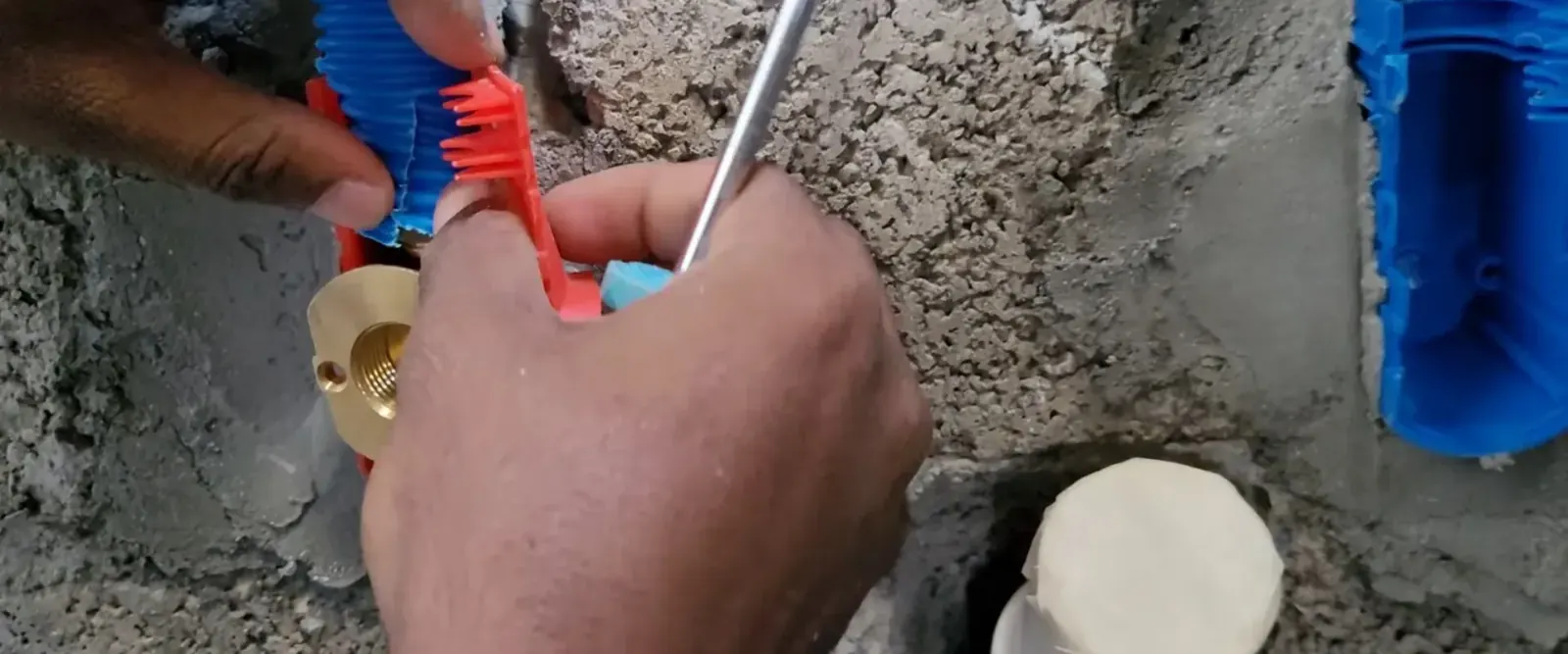
Repiping in Chelsea, MA means replacing the supply pipes in all or part of a building. Older galvanized steel, failing copper and mixed-material systems are common reasons, along with repeated leaks and low pressure.
A repipe is a planned project. We survey the building, give you a written scope and schedule the work so water is off for as short a time as possible.
Signs it is time to repipe
Rust-colored water, low pressure at several fixtures, pinhole leaks in more than one place and visible corrosion on exposed pipe each suggest the system is wearing out. Repeated emergency repairs add up quickly.
If you have had one burst pipe and the others look the same age and condition, replacing a whole section may prevent the next call.
Pipe materials compared
| Material | Strengths | Limits |
|---|---|---|
| Copper | Long track record, fire resistant | Higher cost, labor-intensive |
| PEX | Flexible, fewer joints, quicker install | UV sensitive, must follow code for use |
| CPVC | Low cost | Brittle with age in some conditions |
| Galvanized (existing) | Not recommended for new work | Corrodes from the inside |
Old buildings, soft water and corrosion
Chelsea's MWRA water is soft with a pH of about 9.0 to 9.5, treated to protect pipes from corroding and leaching lead. That helps newer systems, but galvanized pipe installed decades ago still rusts from the inside and chokes down over time.
If your building has lead solder or lead service pipe, a repipe is a chance to remove them. Chelsea's lead service line program supports replacements on the utility side.
How a repipe is planned
- SurveyWe inspect every accessible pipe and decide how to run new lines.
- Quote and permitYou get a written scope and a licensed plumber files the permit.
- Replace in sequenceWe install new lines and keep water on as long as possible.
- Test and inspectWe pressure test, arrange inspection and patch access openings.
What to do before the repipe crew arrives
Clear the areas where we will open walls, including closets, under-sink cabinets and basement corners. Move valuables and fragile items to another room, and tell us about any pets or anyone who needs water at certain hours.
Do not shut the main yourself on repipe day unless we ask. We plan the shutoffs and tell you when to avoid using water.
Living through a repipe
Plan for water to be off for part of each day. Fill a few containers for drinking and washing, and arrange alternatives for showers on the longest days. We give you a schedule so you can plan.
Dust and noise are part of the job. Cover furniture, move items away from walls where we will be working and keep pets out of the work area.
Repairing the walls afterward
Access openings in drywall or plaster are cut as small as possible and left ready for patching. We do not paint or finish, so plan for a drywall contractor or a handy friend afterward. In older plaster walls, expect more patching.
Photographs before and after help you and your insurer see what was done.
Planning a repipe?
Call and we will survey the building and give you a clear scope and price.
Minimizing mess in an occupied building
Most of the work happens through small access holes in closets and basements. We protect floors, label the holes we open and tell you what drywall repair will be needed afterward.
In multi-unit buildings, we coordinate shutoffs with each tenant so no one is surprised. Partial repipes are an option when only one riser or stack is failing.
What a repipe depends on
What moves the price
Insurance usually does not pay for a planned repipe unless damage was sudden. You get a clear price before work starts. Call (617) 752-0573.
Repiping questions
Yes. Dispatch is open 24/7. We isolate the leak and stabilize the system until a repipe can be scheduled.
A typical home takes a few days. Larger buildings and multi-unit properties take longer, and we plan around occupancy.
No. Water is off during critical connections, and we aim to restore it each evening.
Yes, when installed to the state plumbing code. We follow manufacturer and code requirements.
Yes. Sections such as a kitchen riser or a bathroom branch can be done separately when the rest is sound.
Standards and sources
Pipe materials, sizing and inspection follow the Uniform State Plumbing Code (248 CMR 10.00), and the permit is pulled by a licensed plumber. The code is published by the Commonwealth at 248 CMR 10.00, the Uniform State Plumbing Code.
Written by the Chelsea Express Plumbing team. Last updated 2026-11-16.