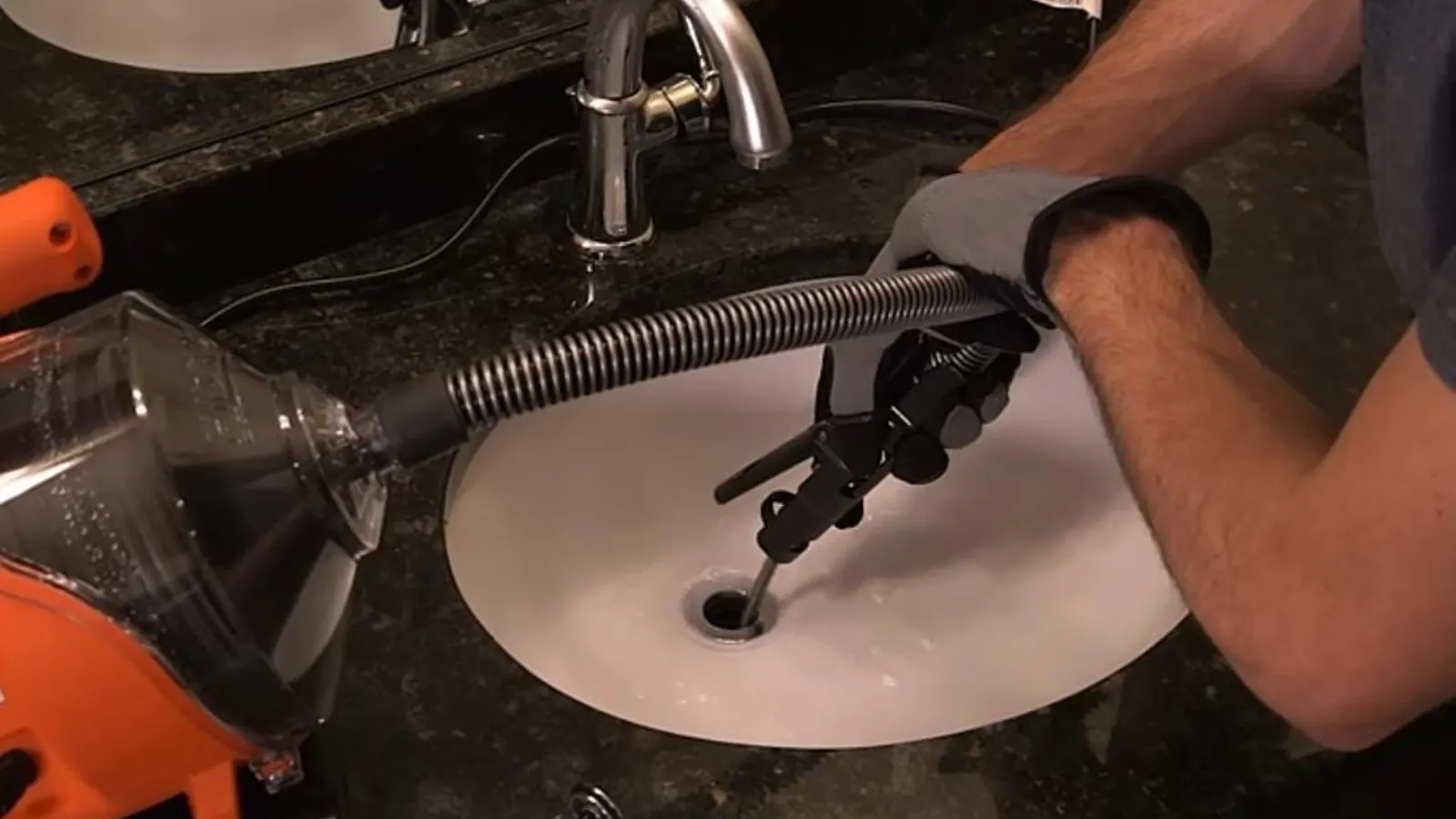
Short answer: yes, olive oil can clog drains, though it behaves a little differently from solid fats. Olive oil stays liquid at room temperature, so it flows out of the sink easily, and that is exactly why people assume it is safe. Farther down the line it cools, thickens and sticks to pipe walls.
This guide explains how oil causes clogs, what to do with leftover oil and what a plumber can do when buildup has already formed.
How liquid oil becomes a clog
Pipes in a building run cooler than a pan on the stove. When oil meets cold water and cold pipe walls, it thickens and clings. Food particles, soap and hair stick to the coating, and the opening narrows a little more each week.
Oil also joins with calcium and soap to make hard deposits, which is why a kitchen line that has been running slowly for months may need more than a plunger.
Oils and fats compared
| Substance | State at room temperature | Drain risk |
|---|---|---|
| Olive oil | Liquid | Thickens in cold pipes, builds coating |
| Bacon grease | Solid when cool | High, hardens quickly |
| Butter and lard | Solid | High |
| Vegetable oil | Liquid | Moderate to high |
| Coconut oil | Solid at cool temperatures | High |
What to do with leftover cooking oil
Let oil cool, pour it into a sealable container and throw it in the trash. Wipe greasy pans with a paper towel before washing. A small amount of residue on a dish is fine, but a quarter cup poured into the sink is not.
If you cook with a lot of oil, check whether your town has a collection program for used cooking oil. A garbage disposal does not help, because the oil passes through it unchanged. See disposal care for what to avoid.
Signs your kitchen line has an oil buildup
Slow draining in the kitchen sink, gurgling when the dishwasher runs, a sour smell and water that backs up into the second basin are all signs. The problem is usually on the horizontal run past the sink trap.
A snake may punch a hole through the blockage but leave the coating in place. Hydro jetting scrubs the whole pipe wall and is the better answer for greasy lines.
Shared drains in apartment buildings
In Chelsea's multi-family buildings, a kitchen line often joins a shared stack. Grease from one unit builds up in the stack and causes backups in the units below. Fixing it means cleaning the stack, and prevention depends on every household.
Landlords can send a short note to tenants about grease. It saves service calls and prevents damage to ground floor apartments.
Chelsea local note
About 70 percent of Chelsea's sewers are combined, which means grease that leaves your pipe joins stormwater and other waste downstream. The city's Water and Sewer Department asks residents to keep fats, oils and grease out of drains for that reason.
Source types: city sewer information and Water and Sewer Department guidance.
Hot pans, paper towels and small habits that help
Wipe oily pans with a paper towel before rinsing, and keep a small container by the stove for oil. Those two habits remove most of the grease that would otherwise reach the drain. It takes a few seconds and saves far more in the long run.
Rinse dishes with warm water and a squirt of dish soap, but do not run a long stream of hot water to chase oil down the line. It only moves the problem.
Restaurants, food trucks and home bakers
Anyone who cooks in volume faces the same issue at a larger scale. A small kitchen may need a grease trap or interceptor, and it needs a cleaning schedule. A home baker who makes oil-heavy dishes should treat the drain like a small commercial kitchen.
Our commercial plumbing team helps businesses set a schedule and keep the line clear.
What cleaning looks like once oil has built up
A technician cuts or jets the line, pulls out what loosens and runs a camera to confirm. If the pipe is damaged or sagging, the oil returns quickly, and the fix is a repair instead of another cleaning.
Afterward, keep a note of the date. If the drain slows again in a few months, the habits or the pipe need attention.
A note on other kitchen items that clog lines
Coffee grounds settle in horizontal pipes and bind with grease. Eggshell fragments catch on rough pipe walls. Rice and pasta swell with water, and starchy water can form a paste. Flour and batter set like cement in cold pipes.
Scrape plates into the trash, use a sink strainer and run cold water briefly before and after use. The goal is not perfection, only fewer solids and less grease reaching the line.
Kitchen drain draining slowly?
Call and a plumber can clear and inspect the line.
Olive oil and drain questions
A tiny amount on a plate is fine. Pouring oil down the drain is not.
It moves it farther down the line, where it cools and sticks again.
It emulsifies oil for a short time, but the oil can recombine farther down.
They can reduce film over time, but they do not clear a thick coating.
Call our 24/7 line. We can clear and jet the line and tell you how to prevent it.
Related pages
Nearby service areas: Revere, East Boston. Related services: Drain Cleaning, Hydro Jetting.
Standards and sources
Drain, trap and vent requirements fall under the Uniform State Plumbing Code (248 CMR 10.00). For what belongs in a sewer, the Chelsea Water and Sewer Department publishes guidance on fats, oils, grease and wipes. The code is published by the Commonwealth at 248 CMR 10.00, the Uniform State Plumbing Code.
Written by the Chelsea Express Plumbing team. Last updated 2026-11-16.