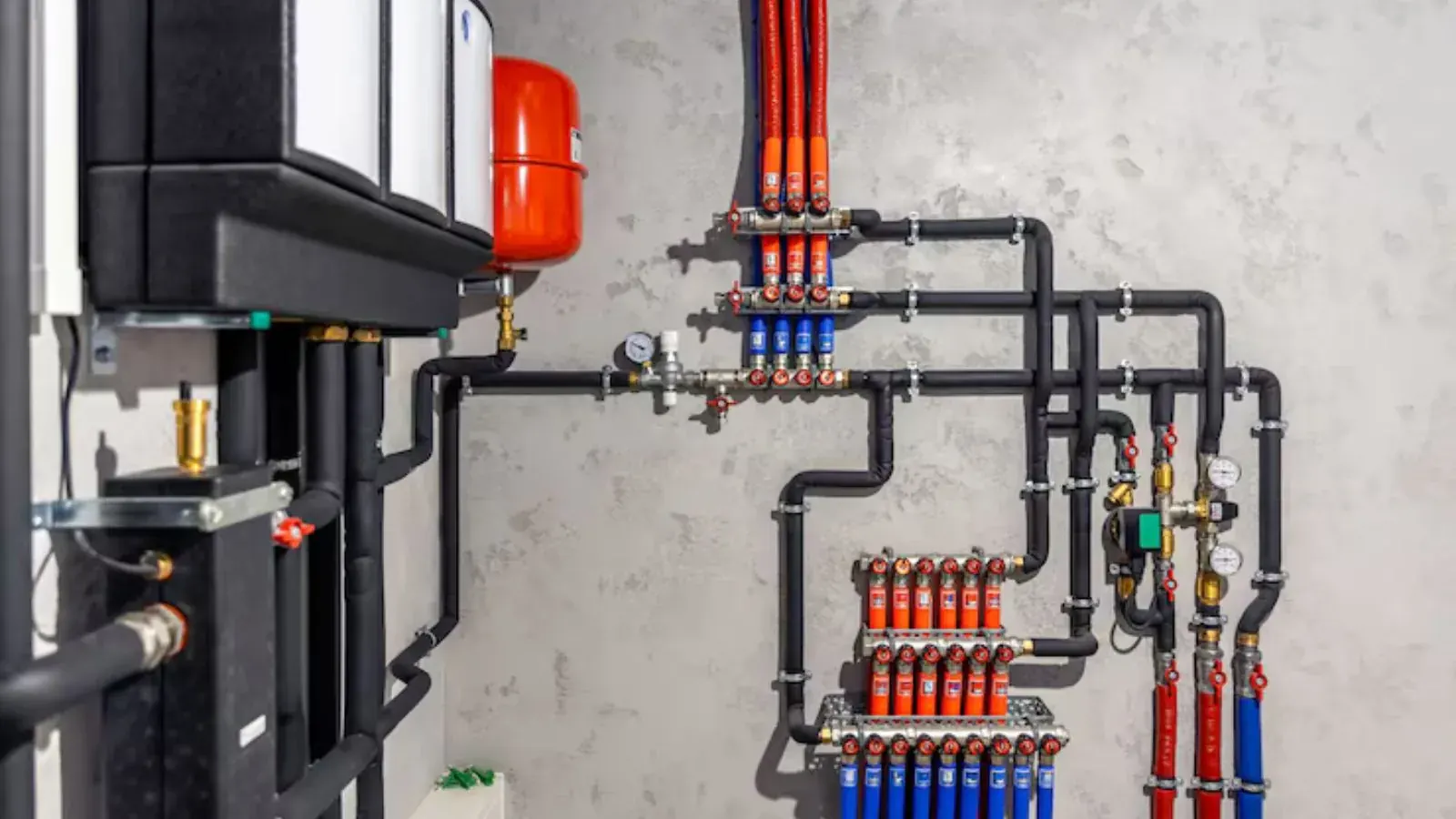
Boiler repair in Chelsea, MA addresses no-heat calls, leaks, strange noises, pressure problems and short cycling in steam and hot water systems. Many older Chelsea buildings are heated by boilers, and they need regular attention in cold months.
If you smell gas or the carbon monoxide alarm sounds, leave the building and call 911 or your gas utility. If there is no heat and no gas smell, call us. If the boiler is leaking, shut the water feed and power to it.
No heat: what to check before you call
Check the thermostat, the boiler switch and the breaker. Look at the pressure gauge. A hot water boiler usually runs between 12 and 20 psi when cold. Low pressure can shut it down.
Do not bleed or refill a system if you are unsure. Dispatch will help you decide whether it is safe to wait for a technician.
Boiler symptoms and likely causes
| Symptom | Likely cause | Fix |
|---|---|---|
| No heat | Ignition, thermostat, circulator or low water | Reset, repair part, refill |
| Banging or knocking | Air or scale in the system | Bleed, flush |
| Leaking | Failed valve, fitting or cracked heat exchanger | Repair or replace |
| Short cycling | Oversized unit, bad thermostat or low flow | Adjust or repair |
| Radiators cold on top | Air in the system | Bleed air |
| Steam not reaching rooms | Bad vents or low water | Replace vents, check water level |
Steam and hot water systems in older buildings
Steam boilers rely on proper water level, working vents and pitched pipes. A single failed vent can leave a room cold. Hot water systems rely on circulators, expansion tanks and bled radiators.
Chelsea's older multi-family buildings often have a central boiler. Work needs to be coordinated with the owner and tenants, and the repair record kept for the building.
How a boiler call is handled
- Safety checkWe check for gas leaks, CO and venting problems first.
- Find the faultWe test controls, circulators, ignition and water level.
- Repair or adviseWe replace the part or explain when a boiler is at end of life.
- Run and verifyWe fire the system and confirm heat reaches every zone.
What to expect from a winter service call
During a cold snap, dispatch handles no-heat calls first and keeps the line moving. We ask about the type of system, the fuel, the age and the symptom so we can bring the right parts. A good description saves a second trip.
If heat cannot be restored the same day, we explain the temporary options for staying warm safely. Do not use an oven or a gas stove to heat a room, because it can release carbon monoxide.
Carbon monoxide and boiler safety
Every home with a fuel-burning boiler should have working carbon monoxide detectors on each level and near sleeping areas. Replace the batteries on a schedule and test the alarms. A detector that sounds means you leave the building and call 911.
We check venting and combustion on each visit. A blocked flue or a cracked heat exchanger is a safety problem, not just a comfort problem, and we tell you plainly when a boiler should be shut down.
No heat tonight?
Call our 24/7 line and we will send a plumber.
Maintenance that helps
A yearly service includes cleaning the burner, checking controls and testing safety devices. In winter, clearing snow from exhaust vents and intake pipes keeps sealed-combustion units running.
If your boiler also feeds an indirect water heater, a boiler failure means no hot water either, and water heater service may overlap with the visit.
What boiler repair depends on
What moves the price
Insurance covers sudden damage but not wear and tear. You get a clear price before work starts. Call (617) 752-0573.
Boiler repair questions
Yes. Dispatch answers 24/7. We prioritize no-heat and leak calls in cold weather.
Age, efficiency, repair history and the failed part decide it. We give you the numbers for both.
A leak, a failed expansion tank or a faulty relief valve is common. We find the source.
Yes, including vents, low-water cutoffs and piping issues.
Leave the building, do not touch switches and call your gas utility or 911 from outside.
Standards and sources
Gas piping and venting are regulated by the state Board of State Examiners of Plumbers and Gas Fitters. Carbon monoxide alarms and boiler safety guidance come from the Massachusetts Department of Fire Services. The code is published by the Commonwealth at 248 CMR 10.00, the Uniform State Plumbing Code.
Written by the Chelsea Express Plumbing team. Last updated 2026-11-16.