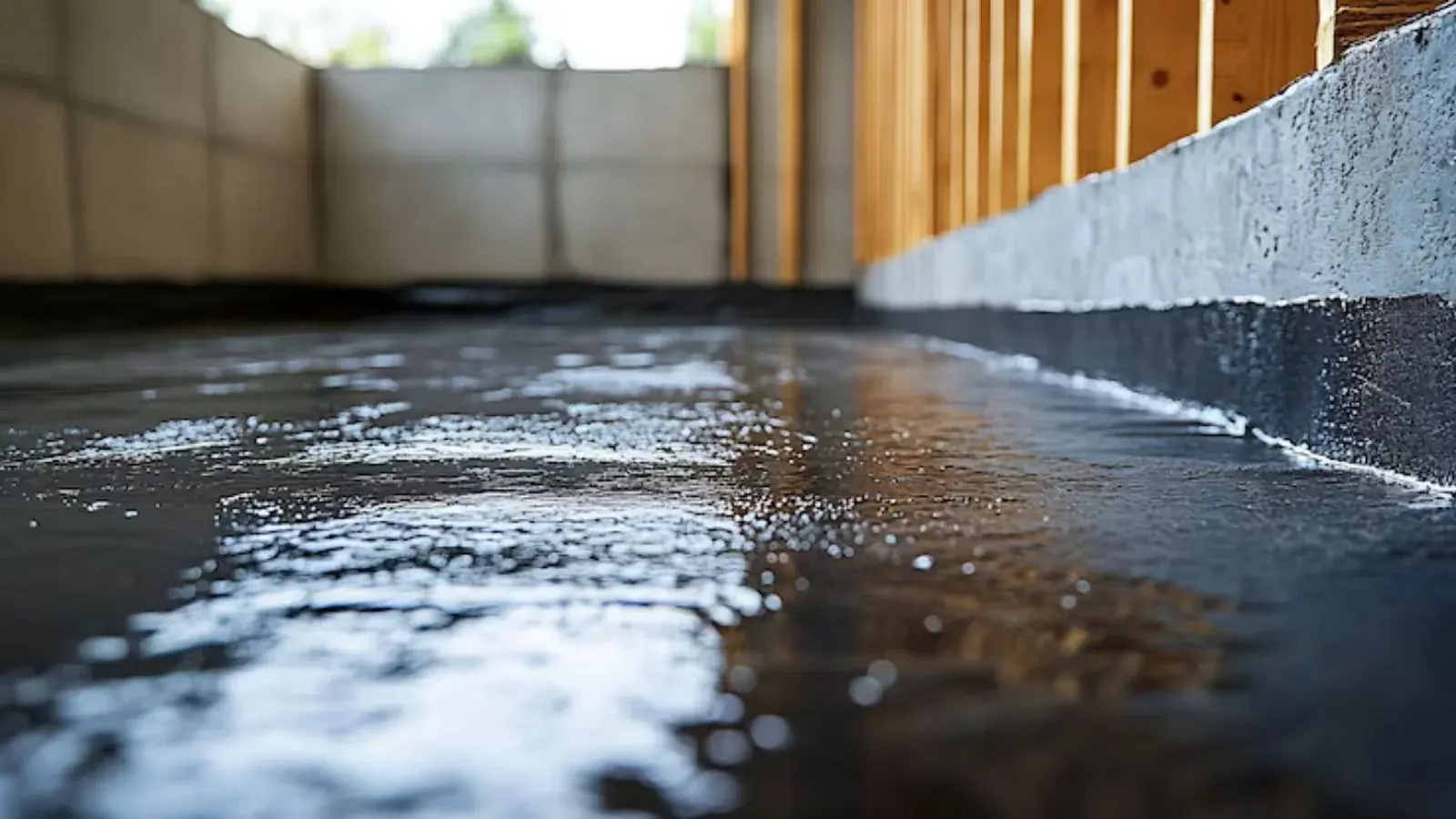
Basement waterproofing in Chelsea, MA covers the systems that keep groundwater and surface water out of living and storage space. Common methods include interior drains, sump pumps, crack and joint sealing and grading or downspout fixes.
Not every wet basement needs the same solution. A plumbing leak, condensation, a cracked wall and a high water table each look similar and each needs a different fix, so the diagnosis comes first.
Finding out why the basement is wet
Before any waterproofing, we separate plumbing leaks from groundwater and condensation. A supply line leak shows as a steady wet spot, and groundwater shows after rain, at the wall base or through floor cracks.
Our leak detection work rules out a plumbing source first, which can save the cost of a waterproofing system you did not need.
Waterproofing methods compared
| Method | Best for | Limit |
|---|---|---|
| Interior perimeter drain with sump | Water coming up at the floor and wall joint | Does not stop moisture from entering the wall |
| Crack and joint sealing | Single, stable cracks | Not a fix for active water tables |
| Exterior drainage | Persistent wall pressure | Digging cost and access |
| Downspout and grading work | Surface water | Only addresses surface sources |
| Wall membrane and dimple board | Seepage through walls | Needs a drain path |
Chelsea's low-lying ground
Much of Chelsea is low and close to tidal water, with fill soils in places. Basements in these areas often face a high water table, and the flow rises after storms and during high tides.
Older brick and stone foundations also let moisture through the masonry. A system that collects and pumps water reliably is usually more effective than coating the walls alone.
How a waterproofing project is planned
- Inspect and diagnoseWe trace moisture to its source, with moisture meters and inspection.
- Recommend a systemYou get options and a written scope.
- InstallDrains, sump, sealing or grading are installed in order.
- Test and follow upWe test the system with water and explain care and maintenance.
Checking for hidden causes before you spend money
A damp basement wall may be fed by a leaking downspout, a cracked gutter, a grade that slopes toward the house or a window well that fills with water. Fixing those costs far less than an interior system and often solves the problem. We walk the outside of the building as part of the inspection.
Condensation is another culprit. Cold pipes and walls in humid summer air collect water that looks like a leak. A dehumidifier and insulated pipes fix it, and no waterproofing is needed.
Maintenance after the system is in
Test the sump pump every few months, clear the drain inlets and keep the discharge line free. Keep soil and mulch away from the foundation siding so water does not collect. A system that is ignored for years will fail when you need it.
We explain each component so you know what to look at and how often. Keep the paperwork with your home records.
Basement getting wet?
Call and we will inspect and explain the cause.
Mold and finishing a damp basement
Persistent moisture leads to mold on stored items and framing. Fix the water first, then clean and dry the space. A dehumidifier helps with humidity but does not stop liquid water.
If you plan to finish a basement, install drainage and a reliable sump pump before any framing or flooring goes in.
What waterproofing depends on
What moves the price
Insurance often excludes groundwater seepage. You get a clear price before work starts. Call (617) 752-0573.
Basement waterproofing questions
Yes. Dispatch answers 24/7. We stabilize with pumps and then plan a permanent fix.
No. It can be plumbing, condensation, gutters or grading. We rule these out first.
It makes it dry. Adding insulation, ventilation and finishes make it comfortable.
Check whether it occurs after rain or all the time. A steady wet spot with a running meter suggests a plumbing leak.
Drain and pump work that touches plumbing typically does. We tell you what applies and file it.
Standards and sources
Drains, sump pumps and discharge piping fall under the Uniform State Plumbing Code (248 CMR 10.00). Structural and masonry work is a separate trade. The code is published by the Commonwealth at 248 CMR 10.00, the Uniform State Plumbing Code.
Written by the Chelsea Express Plumbing team. Last updated 2026-11-16.